
Business systems
Customer management systems
Off-the-shelf CRMs make you change how you work and charge per seat. We build CRMs that follow your pipeline, your forms and your reports, across every office and device.
Overview
Keep every customer, sale and follow-up in one place.
A customer management system exists so that no lead, client or promised follow-up is forgotten. Off-the-shelf products do this well when your process matches theirs, but many businesses end up bending their work around the software and paying more each year in per-user licences. A CRM built around your own pipeline keeps the process you already know works.
Mapping comes first: every stage a lead or case passes through, who owns it, and what must happen before it moves on. Your existing contacts are cleaned, de-duplicated and imported, then checked with you before go-live. Reminders, promised-payment alerts and reports on conversion and staff performance follow, and each office goes live in turn with training and close support.
The result is a CRM shaped to your stages and forms, with your data migrated and roles set up for every office. We have delivered CRMs for a study-abroad agency working across several offices and for a wedding venue managing enquiries and viewings. There are no per-seat licences, the code is yours once paid, and a care plan covers later changes.
- What you receive
- CRM · Data migration · Role set-up · Training
- Typical technology
- React · Node.js · Python · PostgreSQL
Who it's for
Is this right for you?
If a standard CRM fits your process with light set-up, we'll recommend it rather than build one.
- A sales or case team that loses track of leads and follow-ups
- A business paying more each year in per-user CRM licences
- A firm whose process doesn't fit the stages of a standard CRM
Scope
What goes into it
Every engagement is scoped to your goal. These are the parts most projects include.
- PipelinesStages that match your sales or case process.
- Contacts and companiesFull history, notes, files and tasks.
- Multi-officeBranch-level data with head-office oversight.
- RemindersFollow-ups, expiry dates and promised payments.
- ReportsConversion, revenue and staff performance.
- ImportsBring your spreadsheets across, cleaned and checked.
Timeline
How a typical project runs
Usual length: usually 8 to 16 weeks. Your written scope gives the exact plan.
01Weeks 1–2
Pipeline mapping
We map each stage a lead or case passes through, who owns it, and what must happen before it moves on.
02Weeks 2–5
Contact clean-up and import
We merge duplicates, fix formats and load your existing contacts and history, checked with you.
03Weeks 5–12
Follow-ups and sales reports
Tasks, reminders and promised-payment alerts go in, with reports on conversion and staff performance.
04Weeks 12–16
Office-by-office roll-out
Each office goes live in turn, with training and a week of close support before the next.
One-time project
A fixed quote for an agreed scope, paid in milestones. You own the code and accounts once it's paid.
Monthly care plan
A monthly subscription that keeps your software secure, monitored and improving, with response times in writing.
Getting started
What happens after you get in touch
- 01Tell us the problemA short form or a call. A senior lead replies within one working day.
- 02One callWe sign an NDA first if you need one, then go through your goals, users and current systems.
- 03Written scope and fixed quoteWithin 48 hours of the call, with milestones and a timeline.
- 04Build in milestonesYou see working software at every milestone, and you own what we build.
Questions
Before you ask
What changes the size of the job
- How many pipelines, stages and custom forms you need
- How large and how messy your existing contact data is
- Links to email, phone, accounts or your website forms
Can you import our existing spreadsheets?
Yes. We map, clean and import them, and give you templates for future bulk imports.
Will it connect to our email?
In most cases, yes. Emails with a contact can be logged on their record, and enquiry forms on your website can create leads automatically.
Can we add new fields and stages ourselves later?
Yes, within limits we agree. An admin can change simple fields and stages; larger changes go through a care plan or a small project.
How is this priced?
As a one-time project with a fixed quote, agreed after a short call and paid in milestones. After launch you can add a monthly care plan for hosting, updates and support.
Previous work
Projects where we did this
 Client details hidden
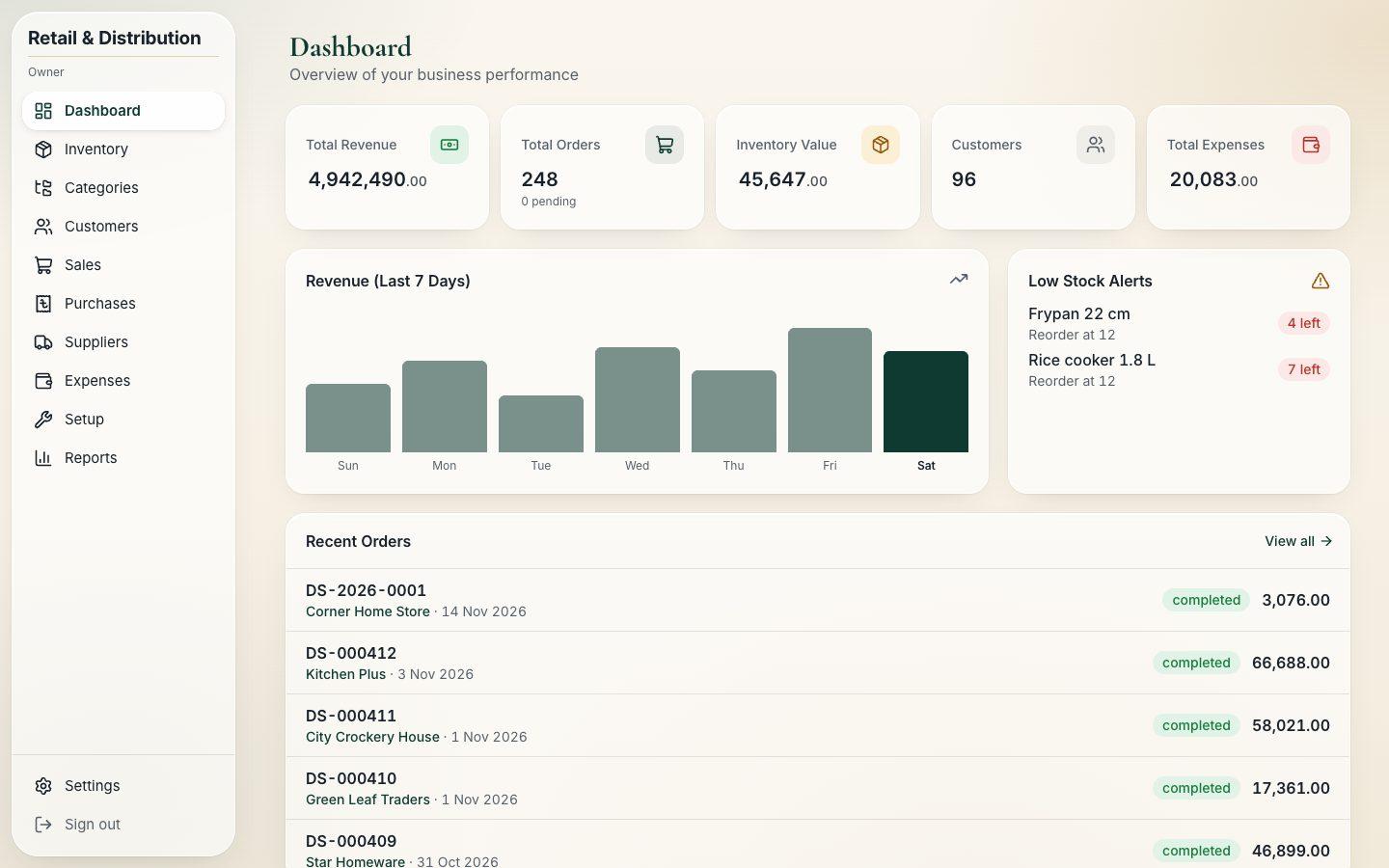
Cookware distributor
Sales and accounts system for a cookware distributor
We built a system to invoice shops, collect payments, buy stock and keep the ledgers balanced.We built the system a cookware dealer uses to invoice retail shops, collect payments, buy stock and keep every ledger in balance.
See what we built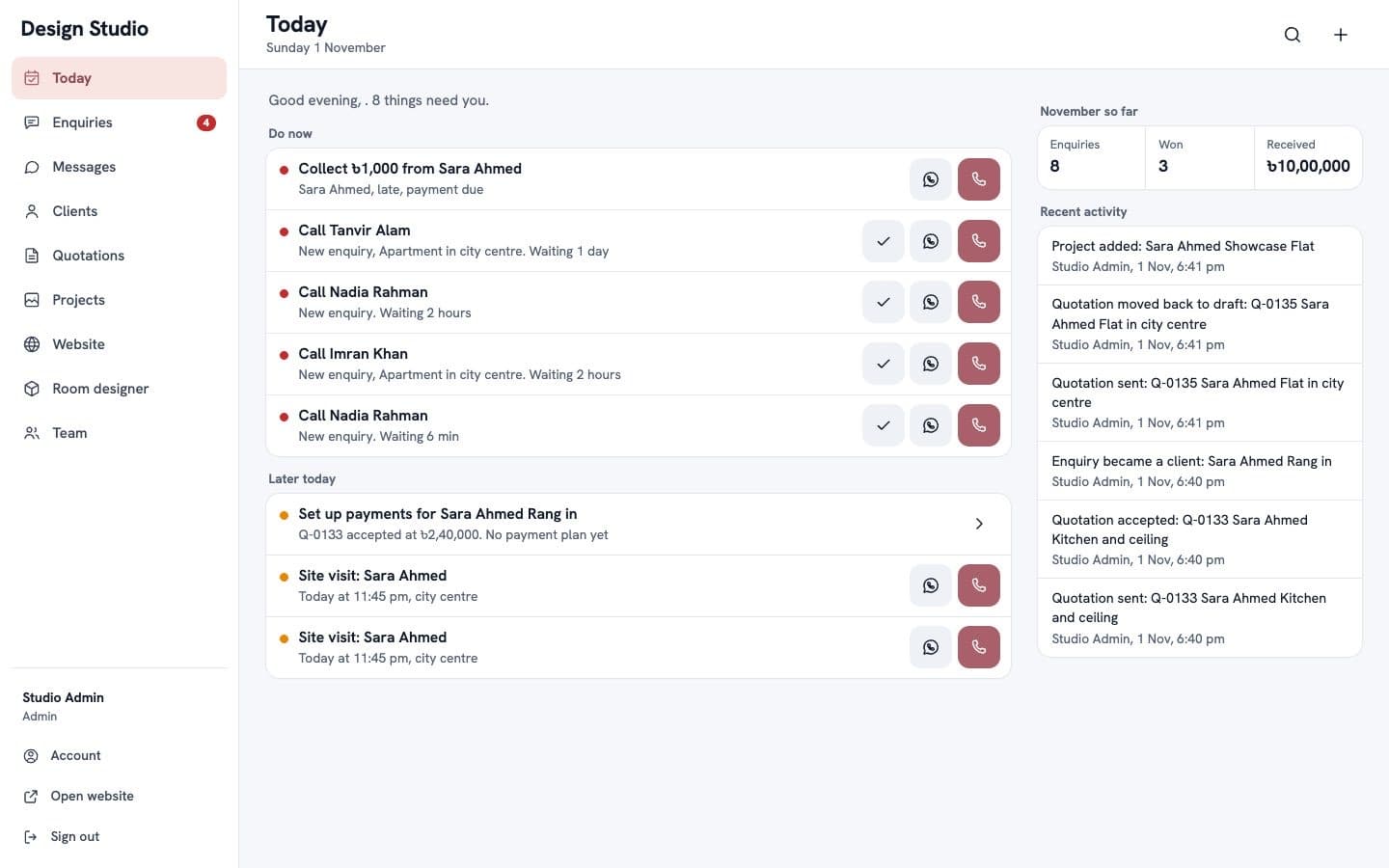 Client details hidden
Interior design studio
Staff and client portal for an interior design studio
We built a portal where the studio follows enquiries, messages clients and prepares quotations.We built the portal where the studio follows enquiries, messages clients, prepares quotations and keeps its website up to date.
See what we built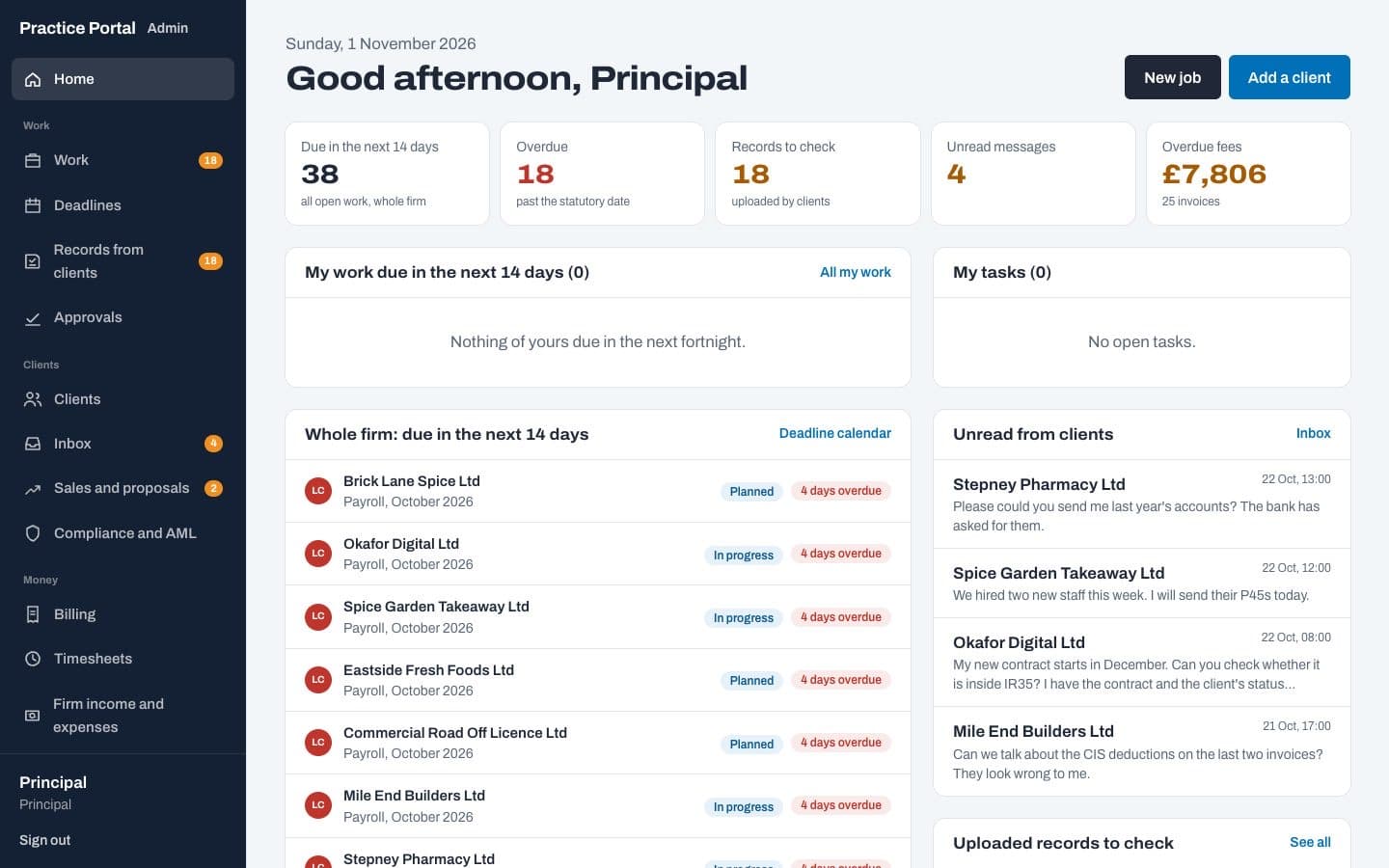 Client details hidden
Accountancy practice, UK
Practice management platform for an accountancy firm
We built a website, a client portal and a back office for jobs, deadlines, time and billing.We built a new website, a client portal and a back office where the team runs jobs, deadlines, time and billing.
See what we built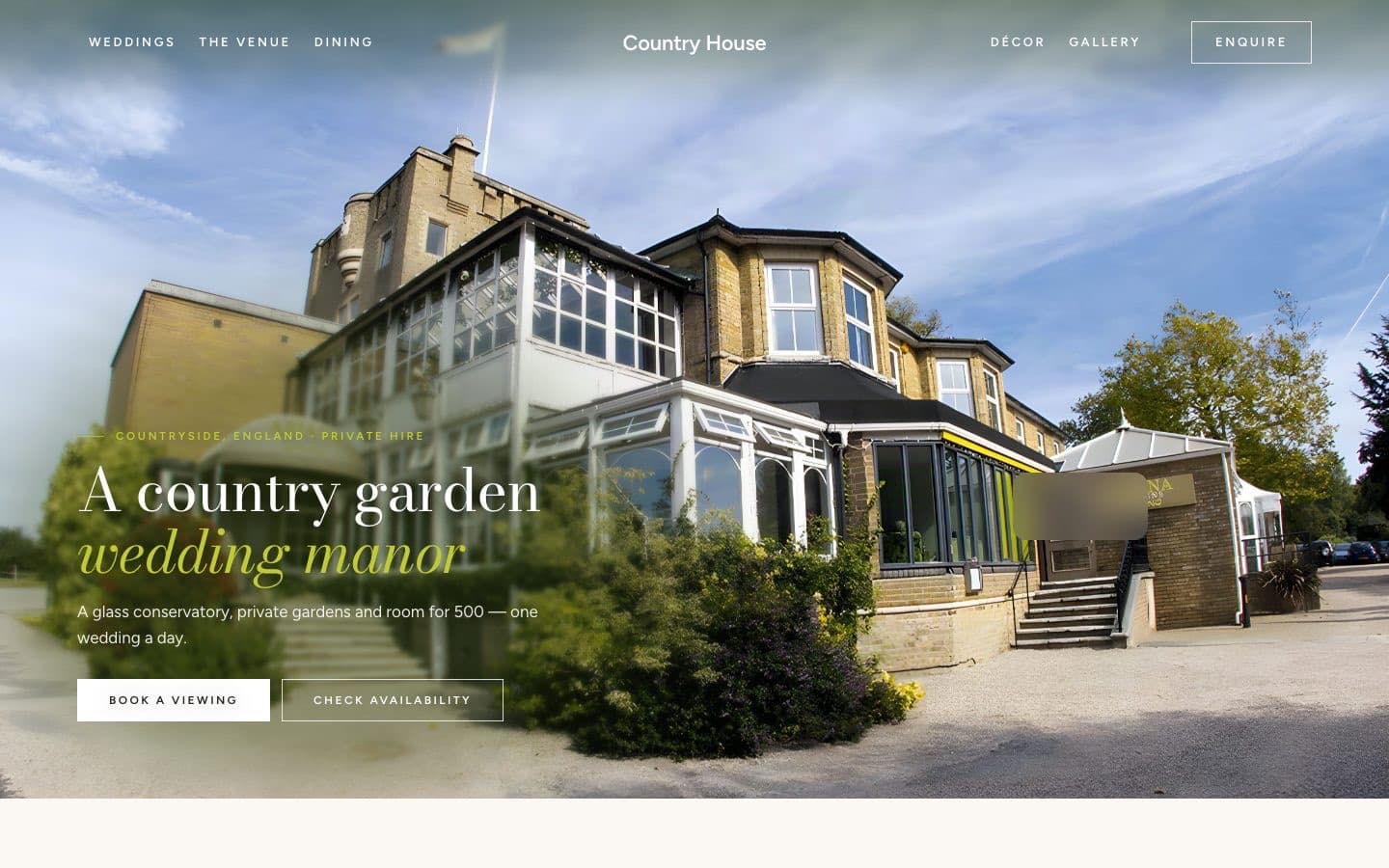 Client details hidden
Country-house wedding venue, UK
Website and booking portal for a country-house venue
We built the venue's website and its own booking portal, with separate data and staff logins.We built the venue's website and its own booking portal, with separate data, staff logins and records.
See what we builtTell us what you need built.
Share the problem in a few lines. After one call you'll get a written scope and a fixed quote within 48 hours.